
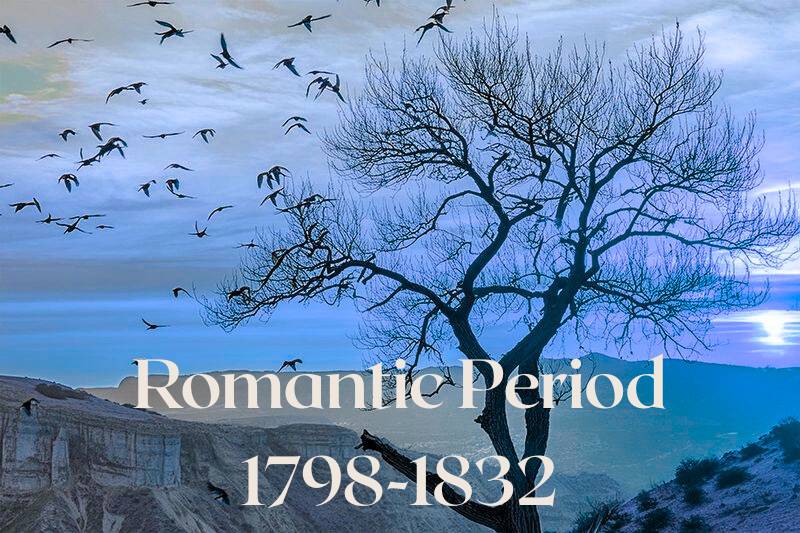
The Romantic era of English Literature marked a major change in cultural values, artistic styles, and literary ideas. From the late 1700s to the early 1800s, Romantic writers turned away from the strict logic of the Enlightenment and the formal styles of Neoclassicism. They focused more on emotion, imagination, personal experience, and a strong bond with nature. This period was more than just a moment in history; it changed what people thought literature could do, shifting it from a tool of reason to a means of expressing emotional and spiritual truths.
Romantic literature appeared during a period of social and intellectual upheaval. Britain was quickly industrializing, the French Revolution was causing political unrest, and many people felt disconnected from old traditions. These changes led Romantic writers to look back to nature, explore personal feelings, and search for a deeper meaning in life. Because of this, the Romantic era gave poetry, especially, new freedom to explore individuals’ thoughts and feelings.
Definition of Romanticism in the Romantic Era of English Literature
The Romantic era of English Literature focused on emotion, imagination, and personal perspective. Romanticism pushed back against the Enlightenment idea that reason is the only path to truth. Instead, Romantic writers believed people could reach a deeper understanding through intuition, feelings, and imagination. For them, the Romantic artist was more than just someone who followed rules; they were a visionary exploring hidden aspects of reality.
In Romantic literature, truth is subjective and personal. It is discovered through inner reflection, emotional intensity, and spiritual awareness. Romanticism, therefore, celebrates the uniqueness of individual experience and insists that the inner world of the self is as valid as external reality. This belief transforms literature into a form of self-exploration, in which the poet’s inner feelings become a mirror of universal human emotion.
Historical Background of the Romantic Era of English Literature
Major historical events shaped the Romantic era in English Literature, challenging the main ideas and culture of the time. The Enlightenment focused on reason and science, seeing people through universal laws and logic. Romantic writers pushed back, saying this view left out the emotional and spiritual sides of life.
The Industrial Revolution made these concerns even stronger. As Britain became more industrial, rural communities broke apart, and people had to work in tough city jobs. Romantic writers saw this as a loss of innocence and a threat to human values. Nature, which once felt safe and comforting, was now at risk from machines and pollution. Because of this, Romantic poetry often shows nature as a pure place where people can find deeper meaning.
The French Revolution also played a crucial role in shaping Romantic thought. Initially, many Romantic writers supported the revolutionary ideals of liberty, equality, and social justice. They believed that political reform could lead to human liberation and moral renewal. However, as the revolution grew increasingly violent, many Romantics became skeptical of political change as a means of achieving spiritual or moral transformation. Consequently, Romantic literature often contains a tension between hope for social progress and doubt about political systems’ ability to deliver true freedom.
Pre-Romanticism Influences in the Romantic Era of English Literature
The Romantic era in English Literature did not emerge suddenly; it developed from earlier cultural and literary movements that prepared the ground for Romantic aesthetics. Gothic literature, for example, introduced a fascination with mystery, terror, and the supernatural. Gothic novels such as The Castle of Otranto explored dark landscapes, haunted castles, and psychological horror, encouraging writers to investigate the irrational side of human nature. Later, Romantic poets used these Gothic elements to express deeper emotional struggles and the hidden forces that influence people.
Sentimental literature also influenced Romanticism. Sentimentalism emphasized emotional sensitivity and moral feeling, promoting empathy and compassion as virtues. Romantic writers expanded this focus, exploring not just moral emotions, but also the complex psychological states that accompany human experience. While sentimental literature often tried to inspire moral growth, Romantic literature aimed to understand the emotional and spiritual depth of life.
Folk traditions and ballads also influenced the Romantic era. Romantic poets turned to oral storytelling, folk songs, and cultural myths for genuine expression. These forms offered a direct way to communicate, different from the formal style of classical literature. By using folk elements, Romantic writers wanted to make literature more accessible and connect it to the shared memory of a nation.
The Age of Romanticism in the Romantic Era of English Literature
The Romantic era in English Literature is usually divided into different phases, each with its own focus. The early Romantic period, from about 1780 to 1800, was marked by hope for change and belief in human potential. Early Romantic writers, inspired by the French Revolution, thought society could improve through political and moral reform. Their works often highlight the value of the individual and the chance for a better society.
The mature Romantic period, from the early 1800s to 1817, was the peak of Romantic poetry. This phase focused on exploring nature, imagination, and the inner self. Writers like Wordsworth, Coleridge, and Keats created a new poetic style that valued honest emotion and spiritual insight. Their work shows a strong belief that people can connect with nature to find deeper truths.
The late Romantic period, from 1817 to 1830, was led by Byron and Shelley. Their poetry reflects a more rebellious, often darker tone as the ideals of freedom and revolution met the realities of social oppression and political failure. This period shows the struggle between the hope for change and the difficulties of the real world.
Characteristics of the Romantic Era of English Literature
Emotion over Reason in the Romantic Era of English Literature
The Romantic era of English Literature emphasizes emotion as the primary source of knowledge and artistic truth. Romantic writers reject the idea that reason alone can explain the human experience. Instead, they believe that feelings such as love, grief, awe, and fear reveal the deeper truths of life. This emphasis on emotion creates a literary style that is deeply personal and intensely expressive. Romantic poetry is therefore not merely descriptive; it is confessional, reflective, and often philosophical.
Emotion and Imagination in the Romantic Era of English Literature
Imagination is a key feature of Romantic literature. Romantic writers view imagination as a creative and transformative power that allows the individual to transcend the limits of ordinary perception. The imagination is not an escape from reality, but an understanding of it. Romantic poetry often employs symbolic imagery and visionary language to convey the emotional and spiritual dimensions of life. In this way, imagination helps writers and readers discover new ideas, not just create art.
Connection to Nature in the Romantic Era of English Literature
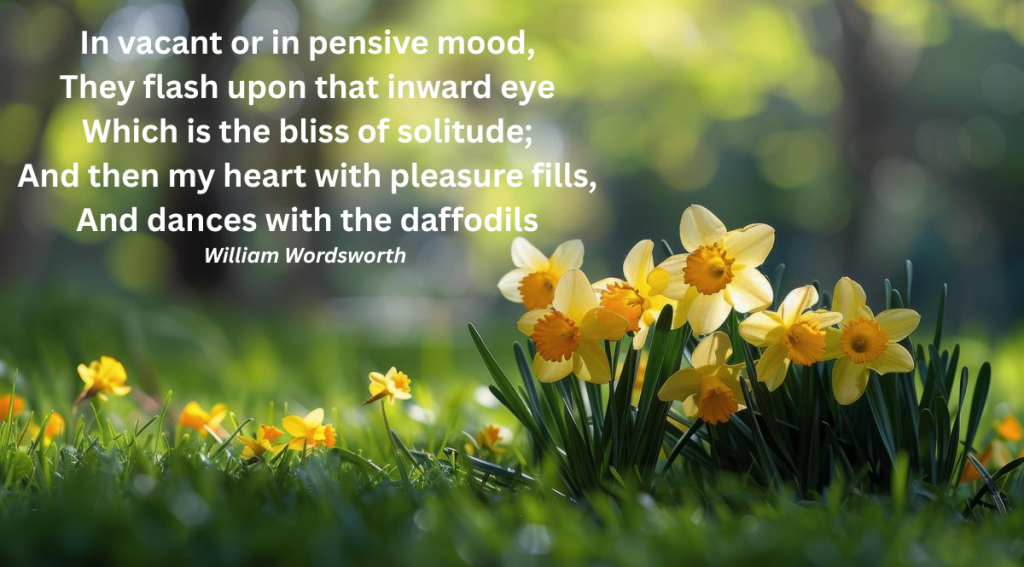
Nature is central to the Romantic worldview. In Romantic literature, nature is not simply a backdrop for human action; it is an active, living force that interacts with the human mind. Nature provides spiritual nourishment, emotional healing, and moral guidance. Romantic poets often depict natural landscapes as spaces of purity and truth, where the individual can escape the corruption of industrial society. The natural world is presented as a mirror of human emotion, with storms, mountains, and rivers reflecting the inner turbulence of the soul.
Individualism and the Self in the Romantic Era of English Literature
Romantic literature values the individual as the main source of creativity and moral ideas. The Romantic self often looks inward, feels deeply, and sometimes faces inner conflict. Romantic poets write about personal identity, inner struggles, and the search for meaning. The poet is depicted as a visionary figure who can find deeper truths through feelings and imagination. This focus on the individual also appears in their views on society, as Romantic writers often question authority and support personal freedom.
The Sublime and Nature in the Romantic Era of English Literature
The idea of the sublime is central to Romantic literature. The sublime means feeling overwhelmed by beauty, fear, or greatness that is hard to explain. Romantic poets use the sublime to show the awe and fear that nature’s size and power can create. The sublime reminds us that our understanding has limits, but it also hints at something greater beyond us. For Romantics, the sublime is both scary and inspiring, showing that the mind can go beyond its usual limits.
Gothic Elements in the Romantic Era of English Literature
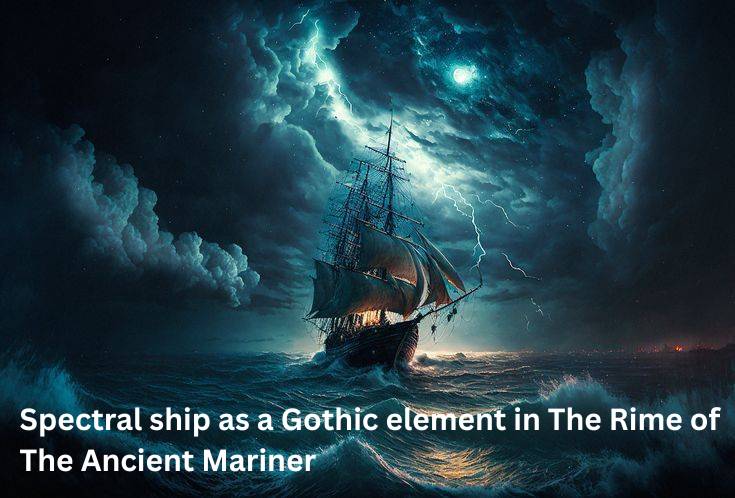
Gothic elements are a significant feature of Romantic literature. The Gothic explores the darker aspects of human experience, including fear, obsession, and the supernatural. Romantic writers use Gothic themes to explore the complex parts of human nature. Haunted places and strange events in these stories symbolize the hidden forces that shape people’s behavior. In Romantic writing, the Gothic helps face the unknown and shows the deep emotions beneath daily life.
The Supernatural and the Sublime in the Romantic Era of English Literature
The supernatural is closely connected to the sublime in Romantic literature. Supernatural elements—such as ghosts, visions, and mystical experiences—represent the limits of human knowledge and the presence of forces beyond rational explanation. The supernatural creates a sense of mystery and wonder, encouraging readers to question the boundaries between reality and imagination. Romantic writers use these elements to explore the emotional and spiritual sides of life, showing that not everything can be explained by reason.
Notable Romantic Poets and Their Contributions in the Romantic Era of English Literature
Influence of Wordsworth and Coleridge in the Romantic Era of English Literature
Wordsworth and Coleridge are the central figures of English Romantic literature. Their collaboration in Lyrical Ballads (1798) is widely considered the integral moment of Romanticism. Wordsworth’s poetry is characterized by a deep reverence for nature and a belief in the spiritual power of ordinary experience. He emphasizes simplicity, emotional sincerity, and the importance of personal reflection.
Coleridge is known for his deep imaginative depth and philosophical complexity. His poetry explores the supernatural, dreams, and the workings of the human mind. Coleridge’s use of visionary imagery and symbolic language expanded the possibilities of poetic expression, allowing Romantic literature to explore the boundaries between reality and imagination.
The Revolutionary Spirit of Byron and Shelley in the Romantic Era of English Literature
Byron and Shelley represent the bold and rebellious side of Romanticism. Byron’s poetry is characterized by intense personal emotion, dramatic tension, and a critical view of social conventions. His portrayal of the Byronic hero—a figure powerful yet morally flawed—became one of the most influential literary archetypes.
Shelley’s poetry is marked by idealism, political passion, and spiritual longing. He explores themes of human freedom, social justice, and the power of the imagination to transform reality. Shelley’s work reflects a belief in human progress, even as he acknowledges the limitations and contradictions of the modern world.
Analysis of Key Works in the Romantic Era of English Literature
Analyzing Romantic Literature in the Romantic Era of English Literature
Romantic literature is best understood through its major works. Lyrical Ballads represents the beginning of Romantic poetry, introducing the idea that poetry should be grounded in emotion and ordinary experience. Kubla Khan explores imagination through dream-like imagery, while Ode to a Nightingale by John Keats reflects the Romantic desire to transcend life’s limitations through artistic vision.
Byron’s Don Juan exposes social hypocrisy and explores the complex nature of human desire. Shelley’s Ode to the West Wind praises how nature and imagination can bring change. Together, these works show how Romantic writers value emotion, personal experience, and creativity.
Literary Techniques and Devices in the Romantic Era of English Literature
Romantic poets used many techniques to show deep feelings and imagination. They often used symbolism, letting nature stand for emotions. Vivid images help readers feel what the poet feels. Personification gives nature human traits, showing its spiritual side. Metaphors and similes link the mind to nature. Romantic poetry is also known for its musical sound and rhythm, which add to its emotional effect.
The Role of the Individual in Romantic Poetry
The main focus of Romantic poetry is the individual. Romantic writers explore personal identity, feelings, and spiritual growth. They see the poet as someone who can find deeper truths by looking inward and using imagination. This focus on the self also shows their criticism of social rules and authority. Romantic literature values personal freedom and the individual’s independence in both art and life.
Transcendentalism and Romanticism in the Romantic Era of English Literature
Transcendentalism, a movement primarily associated with American literature, shares many of the core values of Romanticism. Transcendentalists such as Emerson and Thoreau emphasized nature as a source of spiritual truth and encouraged self-reliance and trusting one’s own instincts.Transcendentalism builds on Romantic ideas, suggesting that people can rise above the material world through reflection and spiritual insight.
The Legacy of the Romantic Era of English Literature
Lasting Influence on Modern Literature
The Romantic era of English Literature still shapes modern literature and culture today. Romanticism highlighted emotional depth, personal experience, and artistic freedom as central values in writing. These ideas influenced later movements such as Symbolism and Modernism, and they continue to shape contemporary poetry and narrative forms. Romanticism also contributed to modern concepts of identity, creativity, and the artist as a visionary figure.
Reflection on Humanity in the Romantic Era of English Literature
Romantic literature offers a profound reflection on human nature. It explores the emotional complexity of life, the search for meaning, and the struggle between personal freedom and society’s rules. Romantic writers encourage readers to connect with their own emotions, to reflect on the nature of existence, and to consider the spiritual side of life. This thoughtful approach keeps Romantic literature relevant by addressing questions everyone faces.
Romanticism’s Vision of Human Emotion
Romanticism’s vision of human emotion is one of depth, complexity, and transformative power. Romantic writers believe emotions are not merely personal responses but a source of insight into universal truths. This focus on emotion as a form of knowledge continues to influence modern literature, psychology, and cultural thought. Romanticism ultimately affirms the value of feeling as an essential component of human experience and artistic expression.
Conclusion: The Romantic Era of English Literature
The Romantic era of English Literature represents a crucial turning point in the history of English letters. It shifted the focus of literature from rational order and classical rules to the intimate world of emotion, imagination, and individual experience. By rejecting Enlightenment rationalism and criticizing the industrial society of their time, Romantic writers brought back the importance of nature, spirituality, and the inner life.
The Romantic era also expanded the boundaries of poetic expression. Poets such as Wordsworth and Coleridge introduced a new language of simplicity and emotional honesty, while Keats refined the art of lyrical beauty and imaginative intensity. Byron and Shelley added political urgency and revolutionary passion to Romantic literature, transforming poetry into a medium of social critique and personal rebellion.
The Romantic era’s influence can still be seen in modern literature. Its focus on personal freedom, deep emotion, and creativity shaped later movements like Symbolism, Modernism, and today’s poetry. Most importantly, Romanticism stays relevant because it values human emotion as a source of truth and inspiration. Even as our world values speed and logic, Romanticism reminds us that our feelings and thoughts are where we find real meaning.